Auto Repair Shops: A Facebook Page Isn't a Website
A Facebook page can't book estimates, doesn't show up for "brake shop near me," and disappears the day Meta changes its algorithm. Here's what Houston
By Suhaib Chaudhry
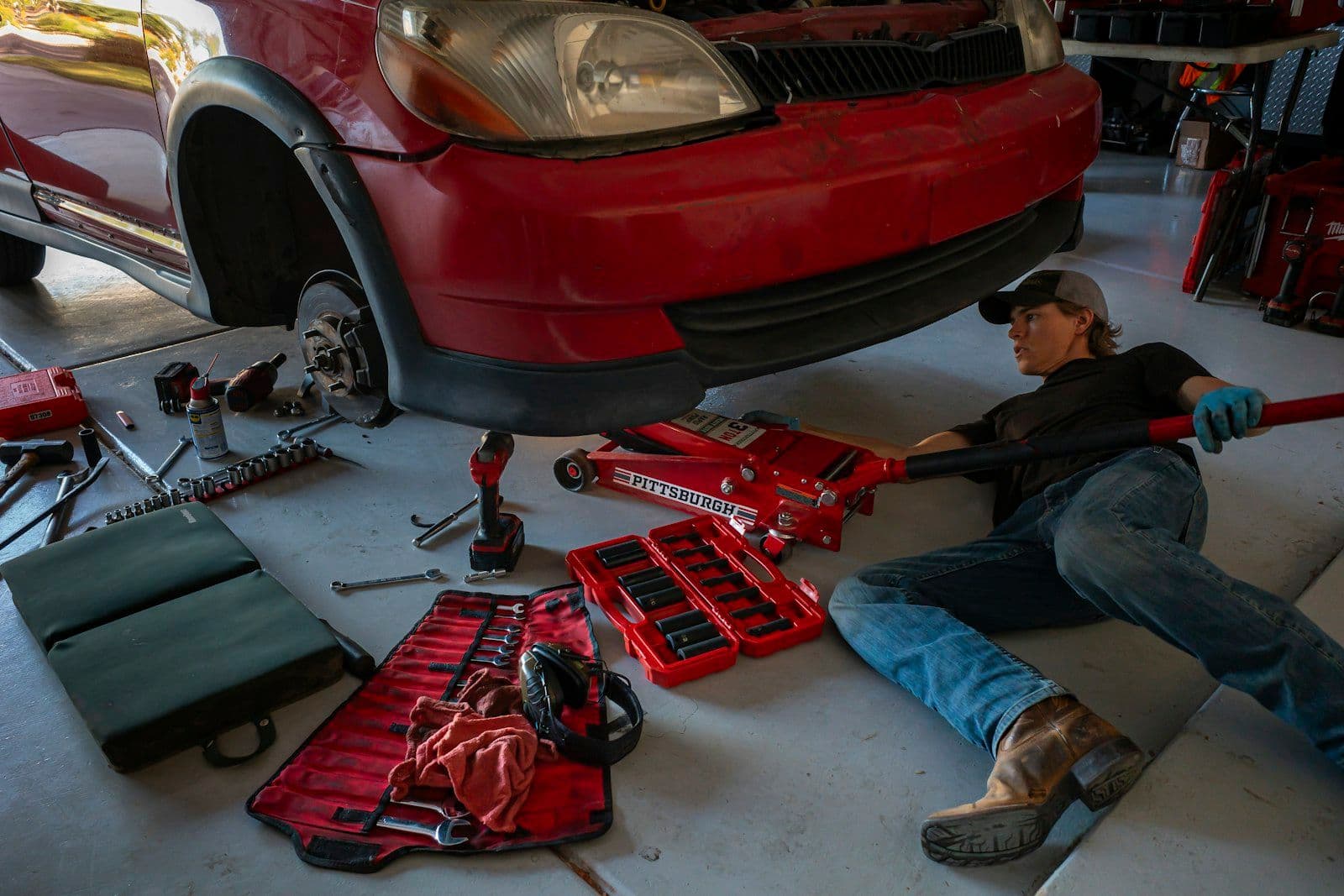
Walk into any auto repair shop in Houston, from Gulfgate to Spring Branch, and ask how customers find them. A lot of owners will say Facebook. They post a picture of a finished brake job, get a few likes from regulars, and figure that counts as marketing. It does not. It counts as staying visible to people who already know you exist. It does almost nothing to reach the driver who just heard a grinding noise on the way home on 610 and is typing "brake shop near me" into their phone.
You don't own the audience, Meta does
Every post you make to your shop's Facebook page gets shown to a shrinking slice of your followers unless you pay to boost it. Organic reach for business pages has been sitting in the low single digits for years, meaning if you have 800 followers, a typical post might land in front of 20 to 40 of them. Meta controls that number, not you. Change the algorithm, change an ad policy, or have your account flagged for a bogus reason, and the audience you spent three years building can vanish overnight. A website is different. Nobody can deindex your domain because they changed their feed ranking. You control the content, the layout, and whether it's still there tomorrow.
Facebook can't take a booking or send an estimate
Think about the actual moment of decision for a car repair customer. Their check engine light is on, they're worried about cost, and they want two things fast: a rough estimate and a way to get on the schedule. A Facebook page gives them a Messenger inbox that might get checked between oil changes. A real site can give them a service request form that captures the make, model, mileage, and problem description before they ever call, plus a way to request an appointment window without playing phone tag. That single form does the job of a front-desk person working around the clock, and every submission lands in your inbox as a ready-to-quote lead instead of a cold message buried in Messenger.
Car repair is a high-trust purchase, and Facebook doesn't build trust
Nobody hands over their car and a few hundred dollars because a business page looked fine. They want proof: ASE certifications, a warranty policy spelled out in plain language, photos of the actual bay and the actual techs, and reviews they can read without switching apps. A site built for a repair shop should show pricing ranges for common jobs like brake pads, alternators, and AC recharges, list the specific makes you specialize in, and state your warranty terms in one place instead of scattered across comment replies. That's the difference between a stranger reading vibes off a feed and a stranger reading actual reasons to trust you with a $3,000 transmission job.
What a Facebook-only shop is missing
- No control over who sees your posts or when the algorithm changes
- No lead capture form for estimates, so requests get lost in Messenger
- No dedicated pages for services like brake repair, AC repair, or check engine diagnostics that search engines can actually rank
- No warranty or pricing information a nervous customer can find in ten seconds
- No structured data telling Google your hours, location, and services, which is how you show up in local map results
Search doesn't work the way Facebook trained you to think
Google and Bing don't index Facebook posts the way they index a real website. When someone searches "brake shop near me" or "transmission repair Houston Heights," the results pulling up are business websites with service pages, location pages, and reviews tied to a domain Google trusts. A Facebook page might show up as a business listing, but it will almost never outrank a shop that has a dedicated page titled something like "Brake Repair in the Heights" with real content about pad replacement, rotor resurfacing, and turnaround time. That page does the work while you sleep. Your Facebook feed does not, because feeds aren't built to be searched, they're built to be scrolled.
A Facebook page keeps regulars in the loop. A website is what turns a stranger with a grinding noise into a paying customer.
What this actually looks like for a Houston shop
You don't need a massive rebuild to fix this. A lean shop site usually needs five things: a homepage that states your specialties and service area plainly, individual pages for your top three or four services, a request-an-estimate form, a reviews section pulling from Google, and your hours and address marked up so Google can pull them into local search results. That's a realistic first version, not a six-month project. Keep Facebook running for the community feel and the photos your regulars like seeing, but stop treating it as your only front door.
If you're not sure what that would look like for your shop, look at a working example before committing to anything. We build these as fast, low-maintenance sites specifically for shops like yours, and we can show you a live demo built around your business before you spend a dollar.
For shops that also get slammed with calls during peak hours and can't always answer, pairing a site with a way to capture after-hours estimate requests closes the other gap Facebook leaves wide open.
Tags
- auto repair
- local SEO
- small business